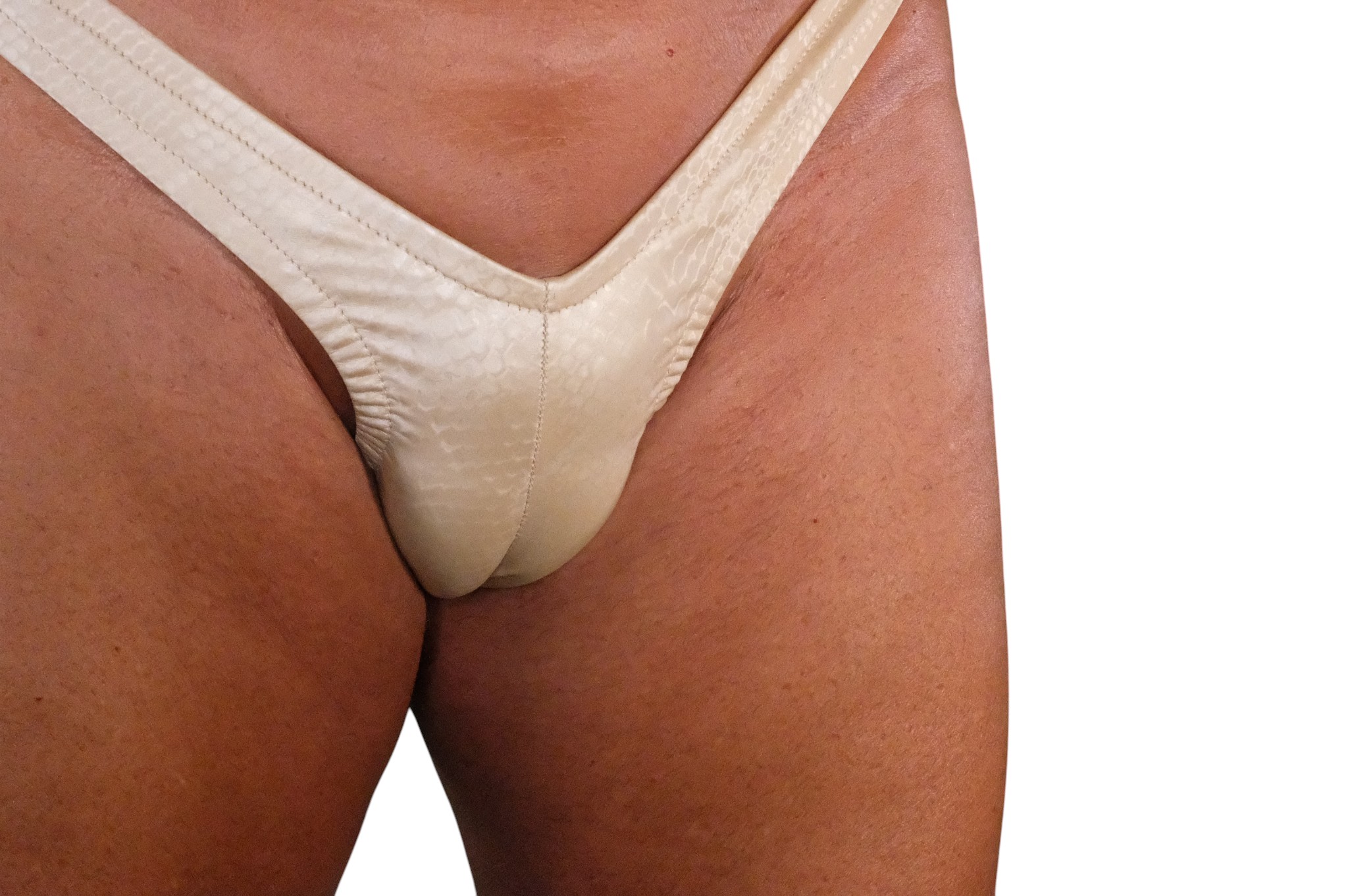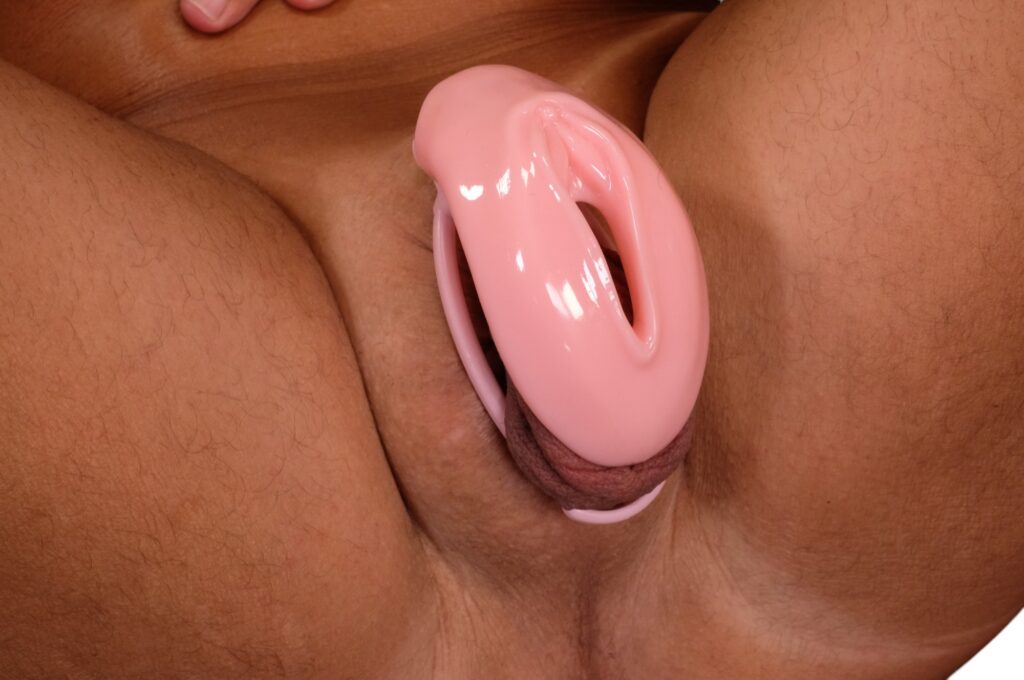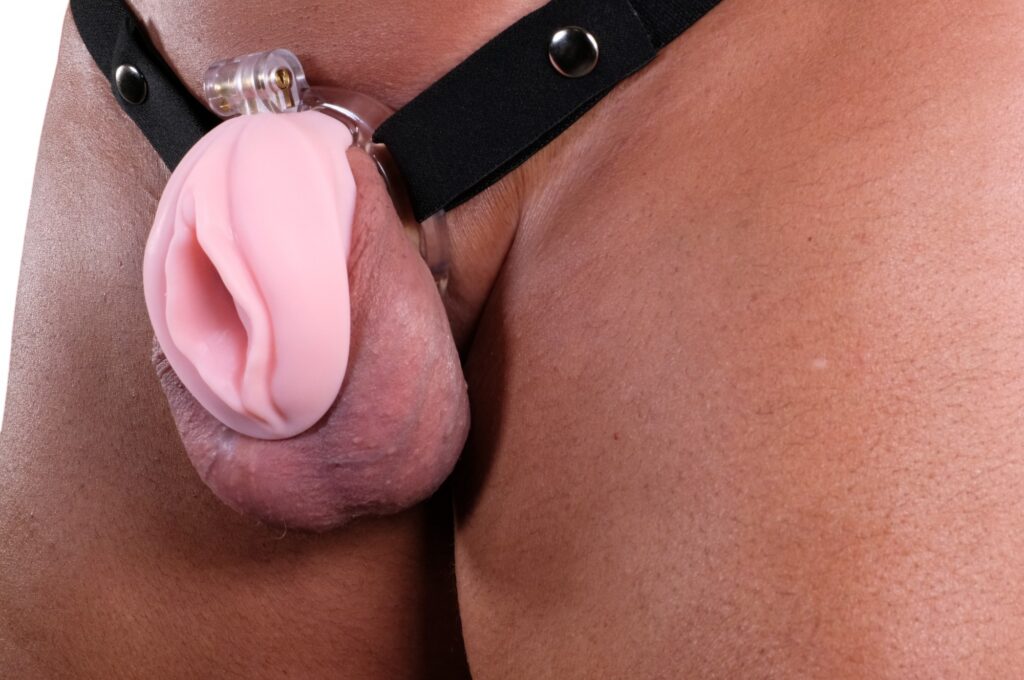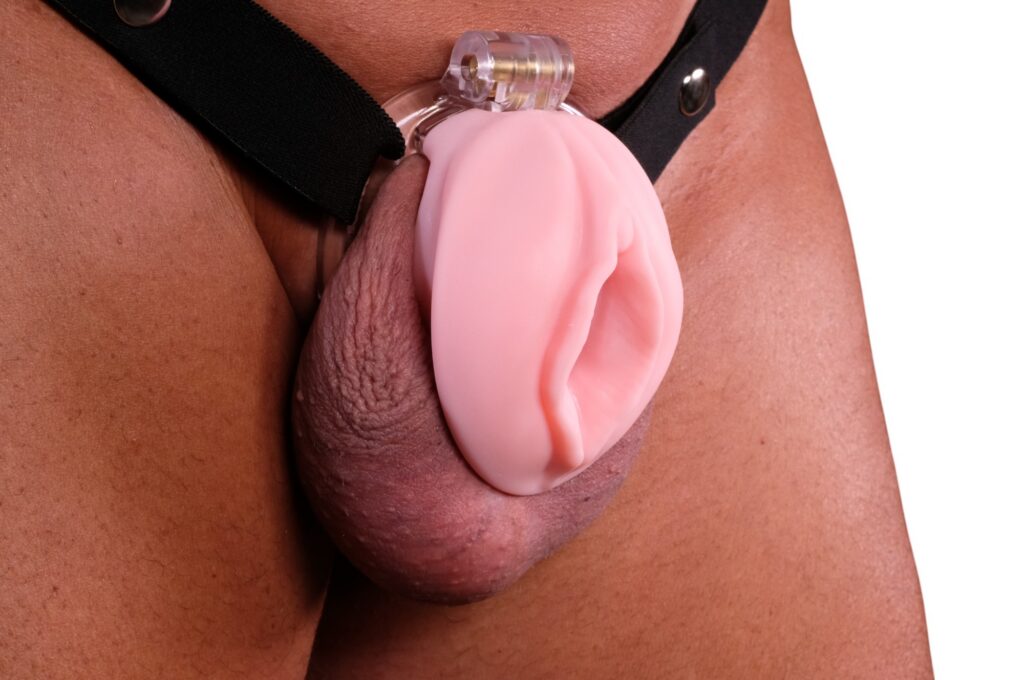
Male Chastity Cages for Sissies

Male chastity cages for Femboys
Male chastity cages for sissies and femboys

Male Chastity Cages for Sissies: Why They’ve Become So Popular

Male chastity cages have moved from a niche kink accessory into something many “sissy” communities talk about openly, trade tips on, and sometimes build long-running dynamics around. In these spaces, chastity often isn’t just about “locking up”—it’s used as a symbol, a tool for structure, and a way to intensify identity play, feminization fantasy, or relationship dynamics.

Below is a detailed, community-informed look at what chastity cages are, how they’re used in sissy contexts, and the main reasons they’ve become so popular—plus practical guidance to approach them safely and responsibly.


1) What a male chastity cage is (in plain terms)

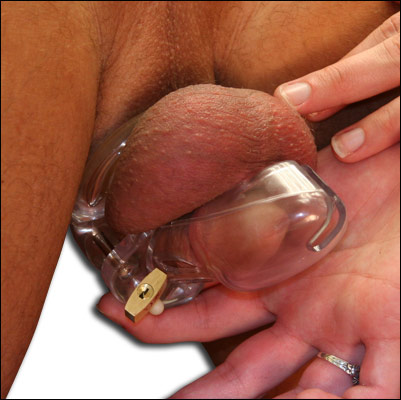
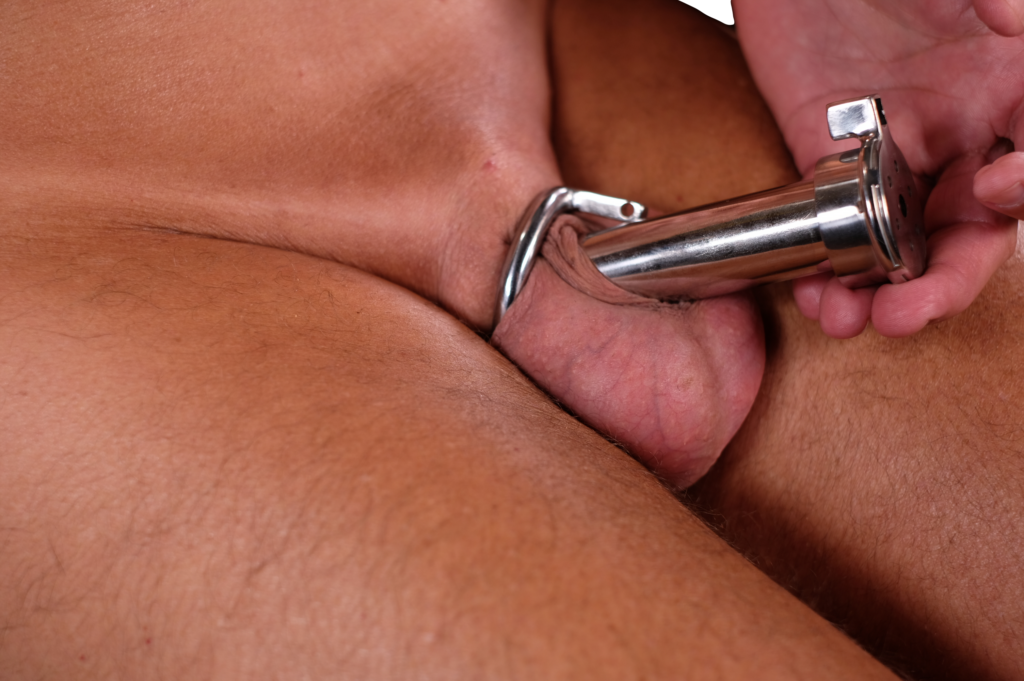
A male chastity cage is a device worn around the penis (and usually secured behind the testicles with a base ring) designed to limit erection, masturbation, and/or direct genital access. Many models also include a locking mechanism so a wearer can’t remove it without a key or combination.

Most cages have three core parts:

  • Base ring: Sits behind the testicles, providing the anchor.
  • Cage/body: Covers the shaft; varies from open “bars” to more enclosed designs.
  • Lock: Integrated or external; can be metal, plastic, or a numbered seal.

Some versions add features like a urethral tube, anti-pullout design, spikes/teeth (not recommended for beginners), or integrated chastity belts (rare but exists).


2) Why chastity and “sissy” themes pair so often

“Sissy” play commonly includes themes like feminization, role training, service, submission, denial, and rituals that reinforce a feminine-coded identity. Chastity fits these narratives because it:

  • Physically reinforces “permission-based” sexuality (no touching without consent).
  • Creates a constant reminder of the chosen role.
  • Adds rituals, rules, and structure that are easy to track and enforce.
  • Can be layered with lingerie, grooming routines, posture/voice work, or service tasks.

Important note: “Sissy” communities are diverse. For some, it’s a playful erotic fantasy; for others, it overlaps with gender exploration. Chastity can be used in either context—but it should always be consensual and psychologically safe for the wearer.


3) The biggest reasons chastity cages became so popular in sissy communities

A) The “symbol effect”: chastity as a wearable commitment

One of the strongest drivers is symbolic. Wearing a cage can feel like:

  • A commitment to submissive rules (“I don’t decide when I’m sexual.”)
  • A badge of identity (“I’m in training,” “I’m owned,” “I’m devoted.”)
  • A constant, private reminder—even under normal clothes—of a chosen role

For many, it’s less about the hardware and more about the meaning assigned to it.

B) The rise of online communities, guided “training,” and content culture

Chastity is highly “system-friendly.” It works well with:

  • Daily tasks and “training programs”
  • Progress tracking (hours/days locked, ruined orgasms, unlock rewards)
  • Shared challenges, accountability groups, and teasing games
  • Erotic storytelling and roleplay scripts

As sissy communities grew online, chastity became a common “framework” people could understand quickly and adopt.

C) Control, structure, and predictability (especially for people who like rules)

A cage can create a clean boundary:

  • “Touching is off-limits.”
  • “Orgasm is earned.”
  • “Behavior determines privileges.”

For some people, structure is soothing and exciting at the same time—especially when paired with rituals (makeup practice, posture drills, service tasks, “girly” routines, or obedience checklists).

D) Denial intensifies arousal and makes feminization feel “bigger”

Denial can heighten erotic energy. In sissy contexts, that energy often gets redirected into:

  • Tease-and-denial fantasies
  • Femininity performance (lingerie, grooming, presentation)
  • Service/submission behavior
  • A “mindset shift” where arousal becomes less genital-focused and more psychological

For many, chastity becomes the “engine” that keeps the fantasy vivid day-to-day.

E) Power exchange: keyholder dynamics and “permission-based” intimacy

A keyholder dynamic (partner, trusted online dom/me, or negotiated arrangement) can add:

  • A sense of ownership/authority
  • Anticipation and teasing
  • A reward system (unlocking as praise)
  • A behavior contract (“If I complete tasks, I earn privileges.”)

Even without a keyholder, some people use self-locking as a “commitment device,” but the keyholder element is a major popularity driver.

F) “Reframing masculinity”: reducing “male-coded” sexual behavior

In some sissy fantasies, chastity is used to symbolically “soften” or “remove” masculine-coded sexual agency. That can look like:

  • Less focus on penetration
  • More focus on being desired, teased, or “trained”
  • A shift toward receptive or service roles (real or purely fantasy)

This can be psychologically powerful, which is why it shows up frequently in sissy erotica and roleplay.

G) Convenience and privacy compared to other feminization tools

Compared to bigger lifestyle changes, a cage can be:

  • Discreet under clothing
  • Temporary (you can stop anytime)
  • Simple to integrate into daily life
  • A “portable ritual” that doesn’t require an audience

That practicality makes it easy for curious newcomers to try—fueling adoption.


4) Common ways sissy communities use chastity (patterns you’ll see)

  • Short locks (hours to a weekend): “training sessions,” dates, parties, or roleplay weekends
  • Routine locks (weekday lock/unlock weekends): productivity + control structure
  • Milestone-based unlocking: tasks, behavior, service, or “presentation goals”
  • Orgasm control systems: edging, denial, ruined orgasms, timed releases
  • Humiliation/tease play (consensual): captions, rules, “inspection,” playful titles
  • Accountability challenges: group lockathons, check-ins, progress tracking

Not everyone does all of these—many just enjoy the “locked feeling” and the mindset shift.


5) Safety, consent, and “doing it smart” (very important)

Chastity devices can be safe if used responsibly, but they can also cause injury or infection if misused. Here are the most important principles:

Consent and mental safety

  • Choose dynamics that feel exciting, not coercive.
  • Avoid arrangements where you feel pressured to “prove yourself.”
  • Have a clear stop signal and an easy way to end the session.

Fit and comfort matter more than aesthetics

  • Most problems come from poor fit: pinching, numbness, discoloration, or chafing.
  • Start with shorter wear periods and increase gradually.

Hygiene is non-negotiable

  • Clean daily. Dry thoroughly.
  • Watch for irritation, odor, rash, or signs of infection.

Circulation and nerve safety

Stop immediately and remove the device if you notice:

  • Numbness/tingling that doesn’t resolve quickly
  • Coldness, dark purple/blue color, swelling
  • Sharp pain, worsening redness, broken skin

Sleep and long-duration wear

  • Beginners should avoid multi-day wear.
  • Long wear requires experience, excellent hygiene, and careful monitoring.

Emergency removal plan

  • If it uses a key, have access to it.
  • If it’s plastic with a numbered seal, keep a cutter accessible.
  • If travel is involved, plan around TSA/privacy and access to removal.

6) How to choose a cage style (high-level guide)

You’ll generally see:

  • Lightweight resin/plastic cages: good for beginners; gentler edges; easier to tolerate
  • Metal cages: durable, cooler feel; can be heavier; sizing precision matters
  • Open-bar designs: easier cleaning, better airflow
  • More enclosed designs: smoother look; sometimes more odor/cleaning challenges
  • Integrated locks vs. padlocks: integrated often more discreet; padlocks sometimes bulkier

In sissy contexts, many prefer cages that are discreet, comfortable, and “wearable” day-to-day, because the psychological effect builds with consistency.


7) Why it “sticks” once someone tries it

Chastity often becomes a repeating practice because it creates a powerful loop:

  1. Put it on → immediate role reminder
  2. Denial builds → arousal increases
  3. Arousal fuels rituals/tasks → deeper immersion
  4. Praise/teasing/reward → emotional reinforcement
  5. Unlocking becomes meaningful → you remember it
  6. You want to repeat the cycle

That loop is especially compatible with sissy training narratives and community challenges.


8) A healthy mindset to keep it fun (and not harmful)

Chastity is best when it’s:

  • Playful, not punishing
  • Consensual, not coercive
  • Flexible, not a trap
  • Supportive, not shame-driven

If you notice it’s making you anxious, depressed, compulsive, or socially isolated, that’s a sign to pause, renegotiate, or seek support.

Male Chastity Cages

male chastity cage
Male chastity cages

Male chastity cages: from niche fetish to mainstream relationship tool

Male chastity cages used to be framed as a very specific thing: a “24/7 lifestyle” commitment, a hardcore kink symbol, or a private fetish that people assumed only a tiny corner of the internet understood. That’s changed. Over the last decade, cages have quietly moved into the broader sexual wellness and relationship conversation—showing up in straight and gay relationships, casual dynamics and long-term partnerships, and even in situations where the goal isn’t “denial for weeks,” but simply novelty, intensity, communication, and playful power exchange.

This shift didn’t happen because everyone suddenly became a full-time chastity devotee. It happened because modern couples have gotten more comfortable treating bedroom tools like any other intimacy product: something you can try, customize, and use in ways that fit your relationship.


Why chastity cages started going mainstream

1) Sexual wellness culture normalized “tools” for intimacy

As vibrators, cock rings, prostate toys, strap-ons, and BDSM basics became widely available and less taboo, the cage naturally followed. Once people stopped thinking “sex toys = weird,” the cage became just another option—one that happens to be psychologically powerful and visually symbolic.

2) The internet made education easier

A big barrier used to be simple confusion: sizing, comfort, hygiene, safety, and “how do we even use this?” Now there are guides, reviews, and communities talking openly about fit and best practices. When people understand how to do something safely, they’re far more likely to try it.

3) People are exploring erotic “psychology,” not just mechanics

A cage isn’t only a physical device—it’s a story generator. Anticipation, teasing, control, ritual, and delayed gratification can transform the emotional tone of sex. Many couples who aren’t “into fetish” still like the mind-game aspect: tension builds, flirting becomes constant, and release becomes a bigger event.

4) Relationships are more customizable than ever

Not everyone wants the same structure. Some couples want playful kink weekends. Others want ongoing D/s (dominance/submission). Some want monogamy with spice; others explore open dynamics. Chastity cages slot into many of these models because they’re flexible: you can use them for an hour, a night out, a weekend, or as part of long-term agreements.


Who’s using cages now (and why)

Straight couples

A common “mainstream” entry point is curiosity and roleplay. Many straight couples use chastity cages as:

  • A spice-up tool (teasing, power play, “not yet” energy)
  • A way to shift focus to the partner who usually gets less attention
  • A fun ritual (locking up before a date night, an anniversary, or a vacation)
  • A fantasy enhancer (control themes, “permission,” playful rules)

For some, it’s not about strict denial—it’s about creating a shared game where both people feel engaged and emotionally turned on.

Gay and bi men (in relationships and casual dynamics)

Chastity shows up in gay male culture in a few different ways:

  • D/s dynamics where the cage reinforces roles (owner/owned, top control, service themes)
  • Humiliation or teasing play (only if consensual and wanted)
  • Orgasm control as a kink itself—edging, denial, planned release
  • Club / nightlife play where being caged adds a private thrill

It can also function as a way to pace desire in open relationships—some couples use it as a signal of “tonight is about you,” or to manage jealousy by making agreements more tangible.

Solo users

Not everyone uses a cage with a partner. Some use it for:

  • Self-control and habit management (with realistic expectations)
  • Fetish and fantasy (the feeling of being “contained”)
  • Edging structures (planned denial, timed release)
  • Body sensation and arousal control (again, safely and in moderation)

Solo use is also common as a stepping stone: people learn sizing, comfort, and hygiene first, then bring it into partnered play later.


The mainstream “use cases” that aren’t full-time chastity

1) Date-night anticipation

One of the most common modern patterns: the cage isn’t “forever,” it’s foreplay that lasts hours. You lock up before dinner, flirt all night, build tension, and decide together what “reward” looks like afterward—anything from teasing to oral to full sex to a dramatic release moment.

2) Power exchange without heavy BDSM

A cage can create a clear power dynamic without whips, pain, or intense scenes. For couples who like the idea of control but don’t want a full dungeon vibe, chastity is a tidy, simple structure: a rule, a key, and a shared agreement.

3) Focus on the other partner’s pleasure

Chastity often shifts sexual attention. With the penis “off-limits,” couples naturally explore:

  • Oral and manual techniques
  • Toys
  • Prostate play (for those who enjoy it)
  • Extended sensual touch and massage
  • More creative pacing and buildup

Many couples report that this makes intimacy feel less “goal-oriented” and more playful.

4) Orgasm control as an “intensity amplifier”

Delayed gratification increases perceived intensity. When release is scarce, it can become more emotional, more dramatic, and more memorable. Some partners love orchestrating that build-up; some wearers love surrendering to it.

5) Relationship rituals and agreements

Cages are symbolic. They can represent devotion, trust, “belonging,” or playful ownership—when both people want that symbolism. Some couples build rituals: locking up during travel, unlocking only after communication check-ins, or using the cage as a reminder to prioritize each other.


Why it can enhance sexual experiences (the real mechanics)

Anticipation and “erotic tension”

The cage introduces a controlled frustration that’s often arousing. You feel turned on, you can’t just “finish,” and the desire has nowhere to go—so it spills into flirting, touch, eye contact, and obsession. That tension can make everything feel hotter.

Novelty and taboo (in a safe container)

Even if you’re not “kinky,” trying something that feels a little taboo can jolt the nervous system into excitement. A cage is discreet but bold, which makes it a potent novelty tool.

Psychological intimacy and trust

If you’re locking someone up (or being locked), you’re negotiating consent, boundaries, timing, and aftercare. That communication can build trust fast. Couples who do it well often report feeling more “teamed up” because they’re co-authoring the experience.

Power dynamics without constant performance

Some people find sexual performance pressure decreases when intercourse isn’t the centerpiece. It can reduce anxiety and increase creativity—sex becomes a menu instead of a single expected pathway.


What makes mainstream chastity work well

Consent and enthusiasm are non-negotiable

Chastity only works when it’s genuinely wanted. “Trying it once” should still be enthusiastic, not coerced. Both partners should be able to pause or stop at any point.

Comfort and safety matter more than fantasy

A poorly fitting cage can cause pain, skin issues, numbness, or injury. Mainstream success usually looks like:

  • Short wear periods at first
  • Careful sizing
  • Prioritizing breathable materials and smooth edges
  • Hygiene routines
  • Not sleeping in it early on unless experienced and comfortable

Communication beats strict rules

The couples who enjoy chastity long-term usually treat it as a collaboration, not a punishment system. Rules can be sexy—but the foundation is check-ins, clear expectations, and the ability to renegotiate.

It doesn’t have to be “all or nothing”

Mainstream chastity is often modular:

  • 30 minutes of teasing
  • A night out
  • A weekend game
  • Occasional “locked weeks” for couples who really love it

You don’t have to adopt an identity or a lifestyle to enjoy the tool.


Common myths that keep people from trying it

Myth: “It’s only for hardcore BDSM people.”
Reality: lots of couples use it as light roleplay and extended foreplay.

Myth: “It’s humiliating by default.”
Reality: it can be tender, romantic, playful, or empowering—tone is chosen, not automatic.

Myth: “It’s about controlling someone in a toxic way.”
Reality: in healthy dynamics, it’s consensual and mutually beneficial, like any other erotic game.

Myth: “You have to wear it 24/7.”
Reality: many mainstream users don’t. Short sessions are common and can be just as hot.


The bottom line

Male chastity cages went mainstream for the same reason many once-taboo intimacy tools did: people realized they don’t need a label—fetish, lifestyle, kink—to experiment with pleasure and connection. For straight and gay couples alike, cages can be a surprisingly versatile way to heighten anticipation, deepen communication, and add structured erotic play without requiring extreme scenes or permanent commitment.

Used thoughtfully—with consent, comfort, and clear boundaries—a chastity cage becomes less about “denial” and more about intentional desire: turning arousal into a shared experience that lasts longer, feels more intense, and keeps intimacy creative.

Crossdressing and Male Chastity Cages

Crossdressing and Male Chastity Cages: Identity, Control, and Personal Expression

Introduction

Crossdressing and male chastity cages are two practices that often intersect in conversations about gender expression, power dynamics, and self-identity. While each can exist independently, together they are frequently used as tools for exploring femininity, redefining masculinity, or creating intentional boundaries around sexuality. Importantly, these practices are not inherently sexual for everyone who engages in them. For many, they are deeply tied to identity, psychology, ritual, and personal growth.

Male chastity Cages
Male chastity Cages

This article examines crossdressing and male chastity cages in a respectful, informative way—focusing on why people explore them, how they are used symbolically and practically, and what considerations matter most for safety and mental wellbeing.


Understanding Crossdressing

What Is Crossdressing?

Crossdressing refers to wearing clothing traditionally associated with a different gender. For men, this often involves wearing garments culturally labeled as feminine, such as dresses, skirts, lingerie, or makeup.

Crossdressing can serve many purposes:

  • Gender exploration
  • Comfort and emotional regulation
  • Artistic or aesthetic expression
  • Role exploration or ritualized identity shifts
  • Social or private experimentation

It is important to note that crossdressing does not automatically imply sexual orientation or gender identity. Many crossdressers identify as cisgender and heterosexual, while others may be gay, bisexual, transgender, or non-binary.

Psychological and Emotional Aspects

For many individuals, crossdressing provides:

  • Relief from rigid gender expectations
  • A safe space to express vulnerability or softness
  • A way to access emotions discouraged by traditional masculinity
  • Increased self-acceptance and confidence

Crossdressing can also function as a grounding ritual, helping people feel centered, calm, or more authentic.


Male Chastity Cages: An Overview

What Is a Male Chastity Cage?

A male chastity cage is a device designed to restrict access to the genitals. While often discussed in sexual contexts, chastity devices are also used symbolically or psychologically rather than purely for arousal.

Common non-explicit motivations include:

  • Creating intentional self-control
  • Reducing compulsive sexual behaviors
  • Supporting focus, discipline, or mindfulness
  • Reinforcing a chosen identity or role
  • Exploring surrender or structure in a consensual framework

Chastity as Symbol Rather Than Act

For many users, chastity is not about denial for its own sake, but about meaning:

  • Control vs. surrender
  • Masculinity vs. femininity
  • Choice vs. impulse
  • Conscious behavior vs. automatic behavior

In this sense, chastity can be experienced as calming, clarifying, or grounding.


Where Crossdressing and Chastity Intersect

Feminization and Identity Shifts

When combined, crossdressing and chastity are often used to support a temporary or ongoing identity shift. For some, this involves:

  • De-emphasizing traditional masculine markers
  • Creating space to explore femininity
  • Reinforcing a chosen presentation or role
  • Feeling more aligned with an internal sense of self

This does not mean all users see themselves as female or submissive. Rather, the combination can help quiet certain expectations while amplifying others.

Structure, Ritual, and Intent

Many people use chastity as part of a ritualized process that accompanies crossdressing, such as:

  • Preparing mentally before dressing
  • Creating a sense of intentional transition
  • Marking boundaries between roles or modes
  • Supporting mindfulness and embodiment

Rituals like this can increase feelings of safety and purpose.


Consent, Autonomy, and Mental Health

Personal Choice and Informed Consent

Whether practiced solo or with a partner, consent is central:

  • The individual must fully understand the purpose and risks
  • Any partner involvement must be explicit and ongoing
  • No coercion or pressure should be involved

Chastity and crossdressing should always be chosen, not endured.

Emotional Wellbeing

Healthy engagement includes:

  • Self-reflection on motivations
  • Avoiding shame-based frameworks
  • Recognizing when practices support wellbeing—and when they do not
  • Being open to adjusting or stopping if distress arises

For some, discussing these interests with a therapist knowledgeable about gender and sexuality can be extremely beneficial.


Social and Cultural Context

Breaking Gender Norms

Both crossdressing and chastity challenge traditional ideas of masculinity:

  • That men must always be dominant
  • That sexual expression must be constant
  • That femininity is incompatible with strength

For many, engaging in these practices is quietly radical—an act of reclaiming autonomy over one’s body and identity.

Privacy vs. Community

Some people keep these practices private; others find community online or in supportive groups. Both approaches are valid. What matters is safety, respect, and self-honesty.


Practical Considerations (Non-Explicit)

  • Prioritize physical safety and comfort
  • Avoid prolonged use of any restrictive device without breaks
  • Maintain hygiene and skin health
  • Monitor emotional responses over time
  • Treat both practices as flexible tools, not obligations

Conclusion

Crossdressing and male chastity cages are best understood not as extremes, but as tools of exploration. For some, they offer insight into femininity, control, or identity. For others, they provide structure, calm, or self-understanding.

When approached with consent, care, and self-respect, these practices can be part of a healthy journey toward authenticity—whatever that looks like for the individual.

What to Expect your first time using Male Chastity Cages

🩲 What to Expect Your First Time Using a Male Chastity Cage

Male chastity is more than just a device—it’s a physical experience and a psychological journey that challenges your relationship with arousal, control, and submission. Your first time in a chastity cage can be thrilling, confusing, frustrating, and deeply erotic all at once. Understanding what to expect can help you navigate the sensations and emotions that come with locking yourself (or being locked) for the first time.


🧠 The Mental Shift: Surrender, Curiosity, and Control

For many men, the first surprise is mental rather than physical. The moment the lock clicks shut, there’s a profound awareness that you’ve given up control of your own sexual freedom—whether for an hour, a day, or longer.

New users often report a mix of emotions:

  • Excitement: The thrill of restriction and the erotic charge of being denied.
  • Nervousness: Wondering if it will hurt, or if you’ll be able to handle the sensations.
  • Submission or relief: Especially when someone else holds the key, there’s a sense of release in surrendering that control.
  • Curiosity: Many men report constantly checking how their mind reacts—how often they think about sex, how their body reacts to being denied, and how much mental energy shifts toward their keyholder.

“The moment the lock clicked, I felt a rush of heat and panic—like something huge just changed. But an hour later, I realized I was calmer. It was like the constant background noise of arousal had quieted.”
Mark, 32, first-time user


⚙️ The Physical Experience: Pressure, Fit, and Sensation

A male chastity cage is designed to keep your penis contained—soft, confined, and unable to grow fully erect. The fit is key. Most modern cages are worn around the clock, so comfort and sizing matter more than aesthetics the first time.

The First Hour

Expect tightness and awareness of every movement. The ring behind your scrotum may press slightly, and the tube around your shaft feels foreign and firm. As you walk, sit, or bend, you’ll feel it shift slightly.

The First Night

This is often the most difficult part. During the night, your body produces spontaneous erections (even without sexual thoughts). These nocturnal erections press against the cage and can cause temporary aching or throbbing. It usually eases as your body adapts over several nights.

The First Week

Once your skin adjusts, the cage begins to feel surprisingly normal. A properly fitted device allows full circulation, minimal chafing, and can even be worn during light exercise. Hygiene becomes part of the daily ritual—cleaning through the openings with a shower nozzle or cotton swab.

“By the third day, I stopped thinking about it every second. It became part of me. But every time I looked down, it was like a reminder of what I wasn’t allowed to touch. Weirdly, that made it even hotter.”
Ryan, 28, locked by his girlfriend


🔑 Emotional Reactions and Power Dynamics

Chastity changes how you think about pleasure and control. It can deepen intimacy for couples, enhance discipline for individuals exploring self-control, or fuel a sense of playful submission.

Common Emotional Responses

  • Heightened Desire: Denial often amplifies arousal. Even small touches or words from a partner can feel electrifying.
  • Dependency: The keyholder’s approval becomes central to release—this creates deep emotional bonding or erotic tension.
  • Vulnerability: Many men describe feeling “naked but safe”—a paradox of being exposed yet protected by the cage.

“My wife had the key, and I couldn’t stop thinking about her. Every text she sent suddenly felt like foreplay. I realized the cage wasn’t just about my body—it was about her control over my desire.”
Jason, 39, exploring couple chastity


⚖️ Physical Challenges and Adaptation Tips

Even with the right cage, adjustment takes time. Here’s what new users often discover:

IssueCommon CauseSolution
Pinching or burningRing too tight or rough edgesTry silicone rings or lubricate the base regularly
Nighttime painNocturnal erectionsUrinate before bed, stay hydrated, and relax breathing through discomfort
Chafing or rednessPoor fit or moistureClean daily and apply light baby oil or aloe
Trapped urineImproper positioningAdjust alignment before locking and shake gently after urination

Most users find their body adapts within a few days. Eventually, wearing the cage becomes second nature—like an extension of your skin.


🕰️ The First Unlocking

The first time you remove your chastity device can be almost ceremonial. Some feel overwhelming relief; others feel reluctant to be “free.” Many report stronger, more intense orgasms after denial periods—even short ones—because arousal has been slowly building with no outlet.

“When she finally unlocked me after five days, I didn’t last thirty seconds. It was the most powerful release I’d ever had—and I couldn’t wait to be locked again.”
Evan, 35


🧩 Psychological Transformation Over Time

For many men, chastity becomes more than a fetish—it becomes a meditative or even spiritual practice. The act of restraint fosters focus, self-awareness, and emotional balance.

  • Self-control: Learning to manage arousal consciously.
  • Intimacy: Deepening trust with a partner through vulnerability.
  • Discipline: Experiencing sexuality as something structured, not impulsive.

Long-term users often describe chastity as a mindset—less about denial, more about devotion, attention, and awareness.


🔒 Final Thoughts

Your first time in a male chastity cage will likely be one of the most memorable erotic experiences of your life—not just for the sensations, but for what it reveals about control, vulnerability, and pleasure. Go slowly, stay aware of your body, communicate with your partner, and treat chastity as an exploration, not a test.

Each man’s journey is different—but for many, that first click of the lock marks the beginning of a new understanding of sexuality itself.


🔒 Part 2: The First Lock — A First-Time Chastity Story

I had read about chastity for months before I finally worked up the courage to order one. It wasn’t an impulsive decision—it was curiosity mixed with a quiet, persistent ache to know what it actually felt like to surrender control of something so private.

The day it arrived, I remember my hands shaking a little as I opened the discreet box. Inside was the device—cool, metallic, and smaller than I expected. It looked almost clinical at first… until I held it in my palm and realized what it was meant to do. My body reacted before my brain caught up.


🩲 The Fitting

At first, I fumbled. The base ring pinched, my fingers slipped, and I wondered how anyone managed to get this thing on. But after a few tries—some lube, deep breaths, and careful placement—it clicked. Literally. The small padlock snapped shut with a sound that echoed louder than it should have.

And just like that, I was caged.

The feeling was immediate. My body wanted to respond, but it couldn’t. Every small twitch met the firm resistance of the device. It wasn’t painful—just tight, unyielding, and strange. My heartbeat quickened. The weight of the cage was constant, reminding me that something had changed.

I caught my reflection in the mirror and froze. It wasn’t just my body that looked different—it was my energy. For the first time in years, I didn’t feel the quiet hum of sexual control that men take for granted. It was gone.


💭 The First Hour

I sat at my desk, trying to distract myself with emails. But the sensation was impossible to ignore. Every shift in position, every movement of my thighs, every subtle brush of fabric kept reminding me that I was locked.

Part of me wanted to rip it off immediately.
The other part—the deeper part—wanted to stay exactly like this.

The mental tug-of-war was intense. I felt both exposed and protected, weak and powerful. I couldn’t decide whether I was being punished or liberated.

By the end of that first hour, I realized that the cage wasn’t really restraining my body—it was restraining my instincts.


🌙 The First Night

That night was rough. My body tried to get erect in my sleep, and the cage pushed back hard. I woke up more than once, panting through the pressure, trying to will it down. It wasn’t unbearable, just insistent—a reminder that I was not in control of my own arousal anymore.

Oddly, when morning came, I felt calm. Centered. Almost peaceful. The cage had become a silent presence—foreign, but familiar.

When I showered, I cleaned carefully, feeling the water flow over the steel. The act was intimate, almost meditative.


💬 The Message

Later that day, I texted my friend—someone I’d quietly confided in about my curiosity.

Me: “I did it.”
Her: “Did what?”
Me: “I locked myself.”
Her: “Good boy.”

Those two words hit harder than I expected. I laughed nervously, but my body reacted instantly. I could feel myself straining, trying to respond, but the cage refused. That was when I realized just how powerful chastity could be.


🔑 The Unlocking

I lasted three days. By then, the cage felt natural—like a secret only I knew. When I finally unlocked it, the first moment of freedom felt almost too much. I was hyper-aware of every sensation, every pulse, every beat.

When I finally let go, it was intense—raw, overwhelming, almost emotional. It wasn’t just physical release; it was like my mind had been building pressure too.

Afterward, I sat quietly, breathing, smiling. I felt changed. Not permanently, but deeply.


🧩 The Reflection

Looking back, I realize that first experience wasn’t about pain or control—it was about awareness. The chastity cage forced me to confront my own impulses, my habits, my relationship with desire. It made me realize how much of my daily energy revolved around sex—and how freeing it could be to let that go, even temporarily.

Now, I don’t wear it all the time. But every time I do, it brings me back to that first moment—the click of the lock, the rush of surrender, the strange and beautiful calm that followed.

Reasons Why Male Chastity Cages are Used

🔒 Reasons Why Men Use Chastity Cages – A Complete Breakdown

Male chastity cages are one of the most versatile and symbolic pieces of kink gear. For some they’re purely erotic, for others they represent deep devotion, and for many they’re a mix of pleasure, discipline, and control. Below is a comprehensive look at every major reason why men choose to wear chastity cages, with expanded detail for each.


🔥 Sexual & Erotic Reasons

  1. Heightened Arousal
    – When erections are denied, the body compensates with constant arousal. Many men report feeling “on edge” all day, their desire growing stronger the longer they are caged.
  2. Orgasm Control
    – Chastity cages make it impossible for men to pleasure themselves. This leaves the power of release entirely in the hands of a partner, ensuring orgasms are rare, deliberate, and often more powerful.
  3. Tease & Denial
    – The cage turns even the slightest brush or teasing touch into agony and ecstasy combined. Many enjoy the constant reminder that their body is denied, even when aroused.
  4. Edging Play
    – Some men are caged and teased close to climax but never allowed to orgasm. This heightens sensitivity over time and makes eventual release explosive.
  5. Kink & Fetish Fulfillment
    – For some, the cage itself is the fetish. The sight, sound, and feel of the lock can be arousing in its own right.
  6. Submissive Role Reinforcement
    – A cage forces a submissive man to physically embody his role. No matter how he feels mentally, the cage makes him live in submission.
  7. Humiliation Play
    – Chastity devices often make the penis appear smaller, hidden, or “useless.” For men who enjoy erotic humiliation, this is part of the thrill.
  8. Penis Shrinkage Fetish
    – Some fantasize that long-term denial will make their penis smaller or weaker. Even if mostly symbolic, the idea itself fuels arousal.
  9. Orgasm Denial Training
    – Over time, some submissives are “trained” to orgasm less often. A cage makes denial consistent and easier to enforce.
  10. Chastity + Other Kinks
    – Chastity pairs naturally with bondage, spanking, feminization, cuckolding, and other fetishes, amplifying the intensity of scenes.

❤️ Relationship & Partner-Control Reasons

  1. Power Exchange
    – Locking someone in chastity is one of the clearest symbols of Dominant/submissive power dynamics.
  2. Female-Led Relationships (FLR)
    – Many women use chastity to keep their partner’s focus on them, cementing their role as the leader.
  3. Building Trust
    – For couples, giving control of sexual release builds incredible trust and intimacy.
  4. Preventing Cheating
    – While no device can physically stop infidelity, cages serve as a powerful psychological barrier.
  5. Erotic Ownership
    – The locked penis becomes “property” of the keyholder, symbolizing total control.
  6. Spicing Up Relationships
    – For long-term couples, chastity can add novelty and excitement back into sex.
  7. Focus on Partner’s Pleasure
    – A caged man can’t focus on his own orgasm, making his partner’s satisfaction the priority.
  8. Enforced Fidelity
    – Keyholding can become a ritual, strengthening loyalty and devotion.

🧠 Psychological & Emotional Reasons

  1. Mental Discipline
    – Chastity teaches patience, endurance, and obedience — skills that often carry over into daily life.
  2. Ego Reduction
    – By locking away the penis, men remove one of their primary symbols of masculinity, learning humility.
  3. Heightened Submission Mindset
    – The weight of the cage reminds wearers of their role constantly, keeping them in a submissive headspace.
  4. Erotic Powerlessness
    – Being physically unable to get hard creates a deep sense of vulnerability.
  5. Self-Humbling
    – Men often report that chastity helps quiet their ego, reminding them that sex is not their right, but a gift.
  6. Erotic Focus Shift
    – Without penis access, many explore other forms of intimacy, such as oral, touch, or emotional bonding.
  7. Fantasy Fulfillment
    – Some have fantasized about being locked in chastity for years. Living it out can be thrilling.
  8. Constant Reminder
    – Every movement, every bulge in pants, is a reminder that control is out of their hands.
  9. Sexual Reprogramming
    – Over time, wearers can rewire how they experience arousal, building stronger psychological dependency on their partner.
  10. Masochistic Enjoyment
    – For men who enjoy discomfort, the chafing, pulling, or restriction of the cage is part of the erotic fun.

🛠 Practical & Lifestyle Reasons

  1. Breaking Bad Habits
    – Some use chastity as a way to break out of compulsive masturbation habits.
  2. Porn Control
    – A cage makes it impossible to act on porn urges, helping some curb porn addiction.
  3. Preventing Erections
    – Though not always comfortable, cages can reduce the intensity of nighttime or morning erections.
  4. Preventing Infidelity
    – Especially in long-distance relationships, the cage becomes a token of loyalty.
  5. Weight Loss Motivation
    – Some wearers use chastity as motivation to slim down so the device fits better.
  6. Training Device
    – Beginners often start with short sessions, gradually extending wear times.
  7. Medical or Recovery Play
    – Some experiment with chastity as part of recovery from premature ejaculation or sexual compulsions.
  8. Public Play (Discrete)
    – Knowing they’re locked in public, while others have no idea, adds a thrilling sense of risk.
  9. Bonding Ritual
    – Daily cage checks or unlock rituals become a way for couples to connect.
  10. Minimalism in Sex
    – With no penetration possible, partners often find joy in subtle forms of intimacy.

🔑 Symbolic & Ritualistic Reasons

  1. Symbol of Devotion
    – Like a wedding ring, a cage can symbolize commitment and loyalty.
  2. Collar Alternative
    – Instead of (or in addition to) a collar, chastity becomes the emblem of ownership.
  3. Lifestyle Identity
    – For some submissives, daily wear is part of their core identity.
  4. Ceremonial Use
    – Some couples lock and unlock on special occasions like anniversaries or milestones.
  5. Spiritual Chastity
    – Some adopt chastity as part of religious, ascetic, or monk-like practices.
  6. Ritual of Surrender
    – Handing over the key can be one of the most intimate acts of submission.

🌐 Social & Community Reasons

  1. Belonging to a Kink Community
    – Chastity is a major topic in BDSM circles, both online and offline.
  2. Validation of Submissive Identity
    – Being locked shows others you are serious about submission.
  3. Event Play
    – Many fetish parties include chastity games, contests, or group keyholding.
  4. Sissy & Feminization Training
    – Chastity pairs naturally with feminization, emphasizing the idea of “useless maleness.”
  5. Shared Keyholding Networks
    – Some men enjoy handing keys to online Dominants or trusted friends.
  6. Status Symbol in BDSM
    – In certain communities, being locked long-term is a badge of honor.

Male Chastity Cages and Why Men Wear Them

Report on Male Chastity Cages

1. Introduction

Male chastity cages are small devices designed to encase the penis, typically preventing erections and sexual activity without permission from a partner (often called a “keyholder”). They have become increasingly popular within BDSM, kink, and even mainstream relationship circles. For some, they are a fetish accessory; for others, they are a tool for intimacy, control, or personal discipline.


2. What Are Male Chastity Cages?

  • Design: Most are made from metal, silicone, or plastic. They consist of a base ring that fits behind the testicles and a tube or cage that locks around the shaft.
  • Purpose: They prevent full erections and make masturbation or intercourse nearly impossible unless removed.
  • Variety: Sizes range from “standard” to “micro,” with different materials, venting holes, and levels of comfort. Some cages are discreet for long-term wear, while others are symbolic or extreme for short-term play.

3. Reasons Why Men Use Chastity Cages

A. Sexual Control and Denial

  • Many men find excitement in surrendering control of their sexuality.
  • The frustration of being denied release heightens arousal and can turn chastity itself into a fetish.

B. Enhanced Intimacy and Focus

  • Without constant masturbation or sexual distraction, some men report feeling more emotionally connected to their partner.
  • Sexual attention becomes redirected toward pleasing their partner instead of themselves.

C. Discipline and Behavior Training

  • Some men use cages as a self-control tool to break habits (e.g., compulsive masturbation).
  • In BDSM relationships, chastity is a form of obedience training, reinforcing submission.

D. Heightened Orgasms

  • After long periods of denial, release (when allowed) is often more intense. This delayed gratification can be addictively pleasurable.

E. Psychological Relief

  • Relinquishing sexual control can be liberating for men who otherwise feel pressure to perform.
  • For some, wearing a cage alleviates guilt or anxiety around sex, since the keyholder dictates when and how release happens.

4. Why Women Enjoy Their Partner Wearing a Cage

A. Power and Control

  • The most obvious appeal is dominance: knowing she has the key grants her full control over her partner’s sexuality.
  • This creates a powerful dynamic where the man is constantly reminded of his dependence on her.

B. Increased Attention and Devotion

  • Many women report that their locked partners become more affectionate, attentive, and eager to please.
  • With no access to self-release, the man often channels his energy into satisfying his partner emotionally and physically.

C. Sexual Play and Teasing

  • Women often enjoy teasing a caged partner—provoking arousal they cannot satisfy themselves.
  • This dynamic can be playful, erotic, and deeply intimate.

D. Strengthened Emotional Bond

  • Chastity often requires trust: the man trusts his partner with the key, and the woman takes responsibility for his sexual denial.
  • This can deepen emotional closeness and reinforce commitment.

E. Reduced Pressure

  • Some women enjoy that chastity shifts the sexual burden. Instead of feeling expected to “perform” for their partner, she becomes the center of attention and desire.

5. Relationship Dynamics in Male Chastity

  • Dominant/submissive play: Chastity cages are often part of femdom relationships, but not exclusively.
  • Mutual kink: Both partners may find enjoyment in the power exchange, denial, and heightened intimacy.
  • Lifestyle choice: Some couples integrate chastity into their daily lives, with rules about when the cage can or cannot be removed.

6. Risks and Considerations

  • Hygiene: Proper cleaning is essential to avoid infections.
  • Comfort: Extended wear requires well-fitted devices and periodic check-ins.
  • Consent: Chastity must be consensual—healthy dynamics rely on communication and agreed boundaries.
  • Adjustment period: Men often need time to get used to wearing a cage, both physically and psychologically.

7. Conclusion

Male chastity cages are more than just kink devices—they are symbols of trust, intimacy, and erotic power exchange. Men often wear them for the thrill of denial, self-discipline, and the psychological relief of surrendering control. Women enjoy the empowerment, attention, and intimacy that come with keyholding. For many couples, chastity strengthens their bond, creating a unique blend of sexual play and emotional connection.


Part 2: Erotic Dynamics of Male Chastity

1. The Erotic Tension of Denial

When a man is locked, every brush of fabric, every accidental touch, and every thought of arousal becomes amplified. The cage physically prevents satisfaction, which turns even small interactions into powerful erotic triggers. This creates a state of constant low-level arousal that can last for days, weeks, or even longer.

  • Everyday arousal: The locked man may be turned on just watching his partner change clothes or brushing against her in the kitchen.
  • Sleepless nights: Attempted nocturnal erections push against the cage, waking him in frustration and excitement.
  • Obsessive desire: Over time, the craving for release builds into near-worship of the keyholder.

2. Teasing and Torment

For many women, the real fun isn’t in simply locking their man—it’s in teasing him.

  • Visual teasing: Wearing revealing lingerie, bending over, or brushing her body against his cage.
  • Verbal teasing: Whispering reminders that he isn’t allowed release, or telling him how wet she is while he remains denied.
  • Hands-on teasing: Stroking him over the cage, edging him to the brink, then laughing as the device prevents climax.

Some couples even ritualize this—“tease nights” where the keyholder takes her partner to the edge again and again, denying him release until he’s begging.


3. Orgasm Control and Ruins

Chastity cages make orgasm control more intense:

  • Edging: The keyholder might unlock him temporarily to stimulate him close to orgasm, then lock him back up before climax.
  • Ruined orgasms: Sometimes, a woman will allow her man to spurt while caged or stroked, but only in a ruined way—leaving him unsatisfied and desperate for more.
  • Conditional orgasms: Release becomes a reward for exceptional service, obedience, or devotion.

4. Lifestyle Eroticism

Chastity often seeps into daily life in small, sexy ways:

  • Public play: A locked man may be taken shopping, to dinner, or even to work, carrying the secret arousal that no one else knows.
  • Chores as service: Many keyholders use chastity as motivation—no release until the house is spotless or her needs are met.
  • Scheduled denial: Some couples adopt strict rules (e.g., orgasms only once a month, or only on special occasions).

5. Psychological Heat

The mental side is often even more powerful than the physical.

  • Obsession: The man thinks constantly about sex, but always in the context of his partner—strengthening the power dynamic.
  • Humiliation play: Some women enjoy mocking their man’s “little cage” or reminding him he’s no longer in control.
  • Role reversal: Chastity can make the woman the sexual authority, flipping traditional dynamics and charging the relationship with erotic energy.

6. When Release Finally Comes

The climax, when allowed, becomes explosive. After days or weeks of denial, even the smallest release can feel overwhelming. For some couples, this moment is sacred:

  • Ceremonial unlocking: A partner might build up the moment with rituals—collars, candles, lingerie.
  • Orgasm as worship: Many men describe finally being allowed to climax as a gift from their keyholder, deepening devotion.
  • Locking back up: Often, release is followed by immediate re-locking, reinforcing that denial is the default state.

7. The Shared Fantasy

Ultimately, chastity isn’t just about the cage. It’s about the erotic bond between two people: the tease, the denial, the power, and the secret intimacy of a relationship built around desire that’s always burning but never fully quenched.

The Complete Guide to Male Chastity Cages

Complete Guide to Male Chastity Cages

1) What a chastity cage is (and isn’t)

  • Core concept: A device that encloses the penis and anchors behind the scrotum (or with a waist/leg belt) to reduce or prevent erections, penetration, and masturbation.
  • Typical architecture:
    1. Base ring (or split ring) sits behind the testicles at the root of the penis.
    2. Cage/tube encloses the shaft and glans.
    3. Connector joins ring and cage (posts, hinges, or integrated shell).
    4. Locking system (integrated barrel lock, padlock, or numbered plastic tag).
  • Not a medical device: No legitimate medical use; it’s a consensual kink/behavioral tool.
  • Key safety principle: You must be able to remove the device quickly in an emergency.

2) Why people use them (motives & goals)

  • Behavioral management: Break habit patterns around compulsive masturbation or porn.
  • Relationship dynamics: Power exchange, erotic denial, teasing, “keyholding.”
  • Sensory/psychological effects: Heightened anticipation, focus on partner satisfaction, ritualization.
  • Training/discipline: Building compliance to rules, reward/punishment frameworks (consensually negotiated).

3) Anatomy & fit fundamentals

A good fit is 80% of success. Poor fit causes pain, edema, abrasion, or numbness.

Key measurements (take in a warm room, multiple times)

  • Base ring size: Measure behind the scrotum at the penile root. Most people land between 40–50 mm internal diameter (ID).
  • Penile length (flaccid, compressed): Measure from base to tip while gently pressing ruler to pubic bone; the tube length should be slightly shorter than your compacted flaccid length to reduce “pistoning.”
  • Penile girth (flaccid): Guides tube internal diameter. Tube should be snug but not constricting; you should be able to slide a cotton swab around the glans rim.
  • Scrotal “hang” & testicle size: High-riding testicles may need oval rings or hinged designs; very loose scrotums may benefit from shorter tubes to minimize shifting.

Ring shape & spacing

  • Round vs. oval rings: Oval often improves comfort for long wear by distributing pressure.
  • Gap (ring-to-cage spacing): Typical 8–12 mm; too small → pinching; too large → escape/pulling skin. Many systems offer spacer kits.

4) Device types & materials

A) By structure

  • Two-piece ring + cage (most common): Modular, adjustable spacers, easy cleaning.
  • One-piece/mono-shell: Fewer joints to pinch; must fit very precisely.
  • Belted systems (waist/leg strap): Useful when ring retention is difficult (retractile penises, high-riders).
  • Anatomical/“ergonomic” designs: Curved tubes and contoured rings reduce downward torque on the scrotum.

B) By material (pros/cons)

  • Stainless steel (316L): Durable, easy to sanitize, good weight for “presence.” Heavier; may set off metal detectors.
  • Titanium: Strong, light, hypoallergenic; premium price; less “presence.”
  • Nylon/PA12 (3D printed): Lightweight, customizable geometry, warm to skin; can stain; rougher microtexture unless polished.
  • Medical-grade silicone/TPU: Soft and flexible (travel/sports friendly), but more elastic → easier to escape, can trap moisture.
  • Plated/alloy “mystery metals”: Avoid if composition is unknown (nickel allergy risk, flaking, rust).

C) Tube styles

  • Open bar/cage: Best hygiene, fast drying, discreet urination; more stimulation via contact.
  • Closed tube: Cleaner look under clothing; requires careful hygiene.
  • Short “cap”/nub: Minimizes profile for stealth; can increase glans pressure if too short.
  • Segmented/vented: Compromise between airflow and coverage.

D) Security/locking options

  • Integrated barrel locks: Low profile, quiet.
  • Mini padlocks: Traditional, audible jingle, visible.
  • Plastic numbered tags: Tamper-evident for travel or distance dynamics; cuttable in emergencies.
  • Smart/IoT locks: Convenience vs. reliability risk; always keep a manual failsafe.

5) Safety, health risks & red-flags (read this!)

Stop and remove immediately if you experience:

  • Numbness, tingling, or color change (bluish/white/cold) in the penis or scrotum.
  • Severe edema (puffy fluid swelling), blistering, or open wounds.
  • Sharp/constant pain that doesn’t resolve after micro-adjustments.
  • Fever, foul odor, or discharge (possible infection).

General safety rules

  • You should be able to remove the device within 60 seconds (spare key or cutters) in emergencies.
  • No device during MRI; metal can heat/move. Ask about X-ray/CT (usually fine but discloses device).
  • Avoid urethral inserts unless you fully understand sterile technique and risks (UTIs, urethral trauma, strictures). Beginners should skip inserts.
  • Shaving/depilation: Minimize hair pulling; avoid harsh depilatories directly under rings (chemical burn risk).
  • Allergies: If you have nickel sensitivity, use 316L stainless (low nickel), titanium, or polymer.
  • Medical conditions: Diabetes, neuropathy, circulatory issues, Peyronie’s disease, recent genital surgery → consult a healthcare professional before use.

6) Hygiene protocol (daily & deep clean)

Daily (especially with closed tubes):

  • Warm shower; direct water through vent ports.
  • Use mild, fragrance-free soap; rinse thoroughly.
  • Dry with cool air (hair dryer on cool) or a clean microfiber cloth; moisture drives fungal/yeast growth.
  • Apply a very light film of skin-safe, water-based lubricant at hot spots (frenulum area, underside of scrotum). Avoid oils that trap heat/moisture.

Every 2–4 days (or after workouts):

  • Partial disassembly if possible; soak components in warm soapy water, rinse, and dry completely.
  • Inspect for rough edges, burrs, or corrosion; polish smooth with micro-mesh if needed.
  • For stainless/titanium: optional wipe with isopropyl alcohol; let evaporate fully.

7) Measuring & sizing step-by-step

  1. Choose ring ID first. Start with 45 mm if average build; adjust up/down in 2–3 mm increments. You should fit one finger between ring and skin without forcing.
  2. Set the gap/spacer. Begin mid-range (≈10 mm). Adjust to prevent pinching without allowing skin migration.
  3. Tube length: Slightly shorter than compacted flaccid length (by ~5–10 mm) to minimize “pistoning.”
  4. Tube ID: Snug—not compressive. If you see “mushrooming” edema at the vent holes, go up a size or switch to a more open design.
  5. Test wear in sessions: 1–2 hours sitting, standing, walking, sleeping. Log hot spots and adjust.

8) Break-in & progression plan

  • Week 1: 1–3 hours/day, skip overnight; adjust ring/gap.
  • Week 2: 4–8 hours/day; include light exercise; evaluate hygiene routine.
  • Week 3: 10–14 hours/day; one supervised overnight if all signs are normal.
  • Week 4+: Multi-day wear possible if there are zero warning signs and cleaning is reliable.
  • Travel/sports: Use a softer or shorter device. Always pack an emergency release method.

9) Troubleshooting & fine-tuning

Pinching at the connector

  • Increase spacer by 1–2 mm; ensure skin is dry when assembling; consider a slightly oval ring.

Cold/numb glans

  • Ring too small or gap too tight; remove immediately, rest, increase ring size or gap.

“Turtling” (retractile penis pulling back)

  • Shorter tube with a flared entrance or belted system; consider polymer devices that “hug” without edge digging.

Edema at meatus or vent holes

  • Tube ID too small or tube too long; switch to open-bar style and reduce lube that can macerate skin.

Chafing under scrotum

  • Check pants seam pressure; apply a thin layer of barrier balm; consider a lighter device or curved/ergonomic ring.

Urination spray/mess

  • Align the glans with the tube tip; sit to pee; use a squeeze bottle of water for quick rinse; keep tissues on hand.

10) Discretion & daily wear

Clothing

  • Contoured briefs or supportive trunks reduce bounce. Avoid loose boxers.
  • Dark, thicker fabrics hide outlines. Athletic compression underwear helps during activity.

Workouts

  • Switch to a soft silicone/TPU device or remove for high-impact sports and cycling (perineal pressure).
  • Shower immediately after exercise; re-inspect contact points.

Travel & security

  • Airports: Metal may trigger secondary screening. Plastic/nylon devices are easier; plastic numbered tags are useful.
  • Hotels: Bring cleaning supplies, spare tag/lock, and emergency cutters (if safe/legal in your luggage).

11) Locks, keys & emergency plans

  • Key control: If a partner holds keys, maintain a sealed emergency key (envelope signed/dated or video-sealed).
  • Record serials: For plastic tags, photograph the number each change.
  • Emergency removal: Know the exact tool needed (e.g., safety shears for plastic; key location for barrel lock). Practice removal once.

12) Urethral inserts & “anti-pullout” features (advanced; optional)

  • Inserts (sound/prong): Elevate risk (UTIs, tears). Require medical-grade sterile technique and conservative sizing. Beginners should avoid.
  • Anti-pullout spikes or ball devices: Can cause bruising or nerve compression; only with meticulous sizing and clear consent.
  • Rule of thumb: If it looks intimidating, it’s probably not necessary for effective behavioral outcomes.

13) Partner dynamics & consent frameworks

  • Pre-negotiation checklist:
    • Purpose (behavioral, erotic denial, ritual).
    • Boundaries (duration, removal conditions, allowed activities).
    • Communication cadence (daily check-ins, color-code system: green/yellow/red).
    • Aftercare (physical inspection, skin care, reassurance).
    • Privacy plan (housemates, kids, medical visits).
  • Rules examples (customize):
    • Scheduled check-ins and hygiene windows.
    • Exercise exemptions.
    • Standing “yellow” protocol: report hotspots early; not a failure to remove.
    • “Safe-unlock” clause: wearer may unlock for medical need; must notify ASAP.
  • Remote dynamics:
    • Numbered tag photos with timestamps.
    • NFC/BT “smart locks” plus manual fallback.
    • Rituals: morning affirmations, weekly reviews, reward charts (if desired).

14) Maintenance & device longevity

  • Stainless/titanium: Rinse/dry after each shower; quarterly polish; inspect threads.
  • Nylon/3D printed: Avoid dyes/harsh cleaners; sun-drying can help but don’t overheat.
  • Silicone/TPU: Wash gently; inspect for tears; replace at first signs of cracks or odor retention.
  • Locks: Graphite or PTFE lube on keyway (sparingly), keep saltwater away, and store dry.

15) Contraindications & when to take a break

  • Active infections, cuts, rashes, or STIs.
  • Recent genital piercings (until fully healed and cleared by piercer/clinician).
  • Persistent nocturnal pain despite adjustments.
  • Any loss of sensation beyond momentary pressure awareness.

16) Selecting your first device (decision matrix)

If you prioritize…Consider

  • Hygiene & easy cleaning → Open-bar stainless or vented nylon; removable cage.
  • Stealth under clothing → Short, compact tube; polymer or titanium; integrated lock.
  • Comfort for long sits (desk work) → Curved tube; oval ring; lightweight material.
  • Travel friendliness → Plastic tag + polymer device; spare tag and printed consent note.
  • Custom geometry (unique anatomy) → 3D-printed nylon or bespoke titanium.
  • Budget trial → Quality stainless with spacer kit (avoid unknown alloys).

17) Example starter kit (budget-to-premium)

  • Budget: Stainless two-piece with multiple rings (40–50 mm), spacer kit, integrated lock, open cage.
  • Midrange: 3D-printed PA12 with custom ring and tube length; numbered plastic locks.
  • Premium: Titanium contoured set with oval ring, curved tube, integrated lock; optional polymer “travel” twin.

18) Ethics, privacy, and legal notes

  • Consent is mandatory. No concealed use involving others’ bodies or consented spaces.
  • Privacy: Be mindful of shared bathrooms, gyms, and medical settings.
  • Documentation: If playing with keyholding, keep simple written agreements about emergency removal and medical exceptions.

19) Quick reference checklists

Daily wear checklist

  • Skin color/temperature normal
  • No numbness/tingling
  • Cage seated evenly; no pinching
  • Quick rinse and dry performed
  • Hydration adequate (reduces UTI risk)

Weekly checklist

  • Deep clean + inspection
  • Spacer/ring reassessment
  • Lock function test
  • Partner check-in and rules review

Emergency kit

  • Spare key or cutters
  • Antibacterial wipes
  • Numbered plastic tags
  • Small water bottle (rinse after urination)

20) FAQs (concise)

  • Can I sleep in it? Only after successful daytime trials with zero warning signs, and with an emergency removal plan.
  • Will it cause erectile dysfunction? Not if used correctly and intermittently; long-term harm is rare with safe practice.
  • Can I exercise? Yes—with caution. Switch to softer/lighter devices for running/cycling; inspect skin after.
  • How long can I wear it continuously? Highly individual. Many cap at 2–4 days between full removals for cleaning; some do longer with open cages and excellent hygiene.
  • What about STIs? A cage doesn’t protect against STIs; safer sex practices still apply.
  • Does it set off airport security? Metal may; polymers usually don’t. You may be subject to additional screening either way.

Final word

Start conservatively, treat comfort warnings as hard stops, and build your protocol gradually. If you ever feel unsure about a symptom, remove the device and rest—you can always resume once you’re comfortably back to baseline.

Trans Women and Male Chastity Cages

A Practical Guide to Chastity Cages for Trans Women (Pre-op & No-op)

Chastity is often treated like a taboo—especially when we talk about it in the context of gender. But the reality is that many pre-op and no-op trans women use chastity devices, and not only as part of kink. The right cage can support gender euphoria, reduce dysphoria by minimizing a bulge, and create clear boundaries with yourself or a partner. This guide focuses on the practical, safety-first details you won’t always find on product pages.

Quick note: Nothing here is medical advice. If you have pain, numbness, unusual swelling, or signs of infection, remove the device and speak with a clinician—ideally one familiar with trans health.


Why Some Trans Women Choose Chastity

  • Gender euphoria & silhouette: Devices (especially “inverted” styles) can create a flatter, more femme front under leggings, swimwear, or everyday clothes, similar to the effect of tucking—without tape.
  • Dysphoria management: A cage can reduce touching and soften body reminders that trigger dysphoria.
  • Ritual & structure: For some, the device offers daily structure, habit change, or a D/s framework that feels supportive and affirming.
  • Partner dynamics: In relationships, it can be a consensual way to co-create intimacy rules, accountability, or erotic focus that better matches your gender goals.

None of these are required to be “valid.” Plenty of trans women never use a device; others use one part-time. Your body, your rules.


Device Types & What Matters for a Flat Look

1) Standard (non-inverted) cages

  • What they are: The classic ring + tube design.
  • Pros: Easy to find, lots of sizes/materials, simpler hygiene.
  • Cons: Usually leaves some forward projection. Works best if you’re chasing comfort or short wear, not a flat profile.

2) “Inverted” or “push-in” styles

  • What they are: Designs that draw or hold tissue inward, producing a low-profile, “nearly flat” appearance.
  • Pros: Most effective for minimizing a bulge; can feel psychologically affirming.
  • Cons: Fit is trickier. There’s more pressure surface-area to manage, so sizing and break-in are crucial. Watch for edema (puffy swelling) and hotspots.

3) Micro/flat-profile shells

  • What they are: Very short tubes or shell-style covers that distribute pressure wide rather than forward.
  • Pros: Light, discreet, good under clothing.
  • Cons: May be less secure; some rely on exact fit and frequent adjustment.

Materials to know

  • 316L stainless steel: Durable, smooth, easiest to deep-clean; heavier (can tug if sized poorly).
  • Polycarbonate/PA plastic: Light, discreet through scanners; can discolor or crack over time.
  • Silicone/elastomer: Comfiest and flexible; least “secure,” but great for sleep or new users.

Fit 101: Sizing for Pre-op & No-op Bodies

Getting the base ring and tube right is 90% of success.

  • Base ring diameter: Start with the ring you can wear for 30–60 minutes without numbness or color change. If you can easily slip a finger under the ring but it doesn’t rotate freely, you’re close. Rings too tight cause tingling or coldness; too loose causes slippage and chafing.
  • Gap (ring-to-tube spacing): Narrow gaps can pinch; wide gaps increase “pull-through.” For softer tissue (common on HRT), a slightly narrower gap often helps—just not so narrow that it bites.
  • Tube length (or shell depth): For a flatter profile, shorter is better, but don’t size so short that you’re compressed to pain. A good start is measuring your most relaxed length after a warm shower and choosing a device just shorter than that.
  • Weight distribution: Heavier steel? Favor a ring that sits high and stable. Light plastic? You might tolerate a slightly larger ring without tug.

Tip: Your measurements can change on HRT (skin, fat distribution, and baseline size often shift). Re-check fit every few months.


Inverted Styles: Extra Care

Inversion increases surface contact and internal pressure. Keep it safe:

  • Break-in periods: Start with 1–2 hours, then remove. Increase slowly over weeks, not days. Your body adapts.
  • Pressure checks: If tissue looks puffy, shiny, cool, or numb, remove immediately. That’s not “good tight”; it’s a warning.
  • Lube & liners: A pea-sized amount of water-based lube on contact edges reduces friction. Some use a thin, breathable liner (e.g., athletic-style fabric) to spread pressure.
  • Night wear: Erections during sleep increase pressure. Many do not sleep in a new inverted device until fit is dialed.

Hygiene & Skin Health

  • Daily rinse, gentle soap: Rinse once or twice per day; use unscented soap during showers. Fully dry—dampness equals irritation.
  • Hair management: Trimming (not necessarily shaving) reduces pulling and follicle irritation.
  • UTI caution: Sit to pee; gently align the opening. Rinse after bowel movements and before long wear. If you’re prone to UTIs, shorten sessions.
  • Skin checks: Remove daily at first. Look for redness that doesn’t fade within 20–30 minutes, abrasions, or any discharge.
  • Allergies: If you react to nickel (some cheaper metals), switch to confirmed 316L steel, titanium, or quality polymer.

Safety Red Flags (Remove the Device)

  • Coldness, numbness, or color change (bluish/purplish) that doesn’t resolve quickly
  • Sharp or burning pain
  • Rapid swelling/edema, especially with inverted designs
  • Fever, foul odor, pus, or streaking—possible infection
  • You cannot urinate normally or fully empty your bladder

Living with a Device: Work, Gym, Travel, Swim

  • Clothing: High-waisted panties, snug briefs, or a soft gaff can smooth lines. Seamless leggings help keep everything “placed.”
  • Exercise: Start with low-friction activities (walking, machines). For running or cycling, consider silicone sleeves or a rest day.
  • Airports: Body scanners can flag metal. Plastic or silicone devices are less likely to draw attention. If privacy matters, consider a quick-release option before security.
  • Swimwear: Flat-front suits, gaffed bottoms, or gender-affirming swim styles layer well over a low-profile device. Rinse with fresh water after swimming.

Consent, Mindset, and Relationship Dynamics

  • Informed consent: If a partner holds a key, talk through safewords, removal rules, health exceptions, and schedule before locking.
  • Boundaries: Decide what chastity means for you: is it about dysphoria management, intimacy rules, habit change, or erotic play? Setting an intention helps the practice feel supportive, not punitive.
  • Shame-free zone: Using a cage doesn’t make you “less trans” or “not trans enough.” It’s a tool. You get to curate your relationship with your body.

A Simple “Starter Plan”

  1. Choose material that matches your priorities (comfort vs. security vs. discretion).
  2. Dial in base ring fit first—wear the ring alone around the house for a day.
  3. Test short sessions (1–2 hours) in the full device at home.
  4. Check, adjust, repeat: Track hotspots; try a different ring size or gap if needed.
  5. Graduate to errands (2–4 hours), then full days if comfortable.
  6. Only add night wear after weeks of problem-free daytime use—if at all.

Common Pitfalls & Myths

  • “Tighter is always better.” No—circulation and tissue health come first.
  • “It will permanently shrink everything.” Bodies are dynamic; long wear may affect baseline flaccidity for some, but permanent change is not guaranteed and shouldn’t be the goal of sizing.
  • “Inverted devices are unsafe by default.” They require more care, but many wear them safely with proper fit and breaks.
  • “If it hurts, push through.” Pain is a signal. Remove, rest, resize.

Alternatives & Complements

  • Gaffs & compression underwear: Great for flat silhouettes without hardware.
  • Tucking techniques: Tape-free methods or specialized garments for part-time use.
  • Body-neutral routines: Mindfulness, sensory care, and affirming clothing swaps can all reduce dysphoria—device or not.

When to Loop in a Professional

  • Recurrent UTIs, rashes, or ingrown hairs
  • Issues related to HRT-driven skin changes or healing
  • Chronic pain, swelling, or numbness in the groin
  • Questions about piercings or surgical plans interacting with devices

A trans-competent clinician (or a knowledgeable pelvic floor therapist) can help you fine-tune comfort and safety.


Bottom Line

Chastity for trans women doesn’t have to be taboo—it can be practical, affirming, and safe when done thoughtfully. If a flatter profile and clear boundaries help you feel more like you, you deserve good information to do it comfortably. Go slow, size smart, prioritize circulation and hygiene, and center your consent every step of the way.

Why Men wear Male Chastity Cages

Why Men Wear Male Chastity Cages – The Reasons and the Journey to Locking Up

Male chastity cages, once a niche fetish item, have moved into mainstream kink and relationship dynamics. For some, they are about erotic control; for others, they’re a lifestyle tool for discipline, intimacy, or personal transformation. The motivations vary widely, but the journey into chastity often follows some surprisingly common paths.


1. Sexual Control and Power Exchange

One of the most well-known reasons men wear chastity cages is to shift control of their sexual pleasure to a partner.

  • Dominance and submission – In BDSM contexts, the cage acts as a physical symbol of submission. The wearer gives up control, and the keyholder (often a partner) decides when – or if – release happens.
  • Heightened arousal – The denial creates a constant background of erotic tension. Many men report that even simple touches, words, or glances from their partner feel more intense after time in chastity.

2. Relationship Bonding and Trust

Chastity is as much about emotional connection as it is about physical restraint.

  • Mutual intimacy – Couples often use chastity to explore deeper levels of vulnerability and openness.
  • Romantic reinforcement – The act of surrendering control can be a powerful display of trust, making some relationships more affectionate and attentive.

3. Behavioral Training and Self-Discipline

Not all chastity is purely sexual – for some, it’s a way to manage habits and behavior.

  • Reducing porn or masturbation – Some men use chastity as a self-control tool to break habits that feel compulsive.
  • Focus and productivity – By removing sexual distraction, they claim to have more mental energy for work, fitness, or personal growth.

4. Fetish, Fantasy, and Roleplay

For others, chastity is purely about indulging in erotic imagination.

  • Cuckolding fantasies – Involving the idea of a locked partner unable to sexually satisfy themselves, sometimes while their partner is intimate with others.
  • Sissification and feminization – Some men combine chastity with wearing lingerie, feminine clothing, or engaging in gender-play, where the cage emphasizes a more submissive or feminized identity.

5. Physical Sensation and Erotic Frustration

Wearing a cage can create constant stimulation and awareness.

  • The tease factor – The cage rubs, shifts, and reminds the wearer of what they can’t have.
  • Edging without touching – Some designs allow teasing without full release, extending erotic play for days or weeks.

How Men Get Started with Chastity Cages

Most men discover chastity through online communities, porn, or partner suggestion. The starting process usually looks like this:

  1. Curiosity phase – They see a chastity device online or hear about it and start fantasizing about the idea.
  2. First purchase – Beginners often start with a budget-friendly plastic or silicone device to test comfort and sizing.
  3. Short wear sessions – They begin with a few hours or a night, learning how their body reacts and adjusting for comfort.
  4. Partner introduction – If in a relationship, they may present the idea to their partner or be introduced to it by them.
  5. Extended wear – Once comfortable, wear time increases from days to weeks or even permanent lock-ups with keyholder control.

Final Thoughts

Male chastity cages are more than just kink gear – they’re tools for erotic exploration, discipline, and intimacy. Whether a man locks up for a few hours of teasing, months of keyholder control, or as part of a larger fetish lifestyle, the journey is deeply personal and often transformative. For many, once they’ve experienced the mix of frustration, focus, and connection chastity can bring, the cage becomes more than a toy – it becomes a way of life.

The History of Male Chastity Cages

The History and Global Rise of Male Chastity Cages: From Ancient Symbol to Modern Lifestyle

A Brief History of Male Chastity Devices

Male chastity, the practice of preventing men from touching or using their genitals—typically with a physical device—has a long, complex history that blends myth, control, and evolving sexual norms.

Ancient Roots & Myths
Though historical evidence is scarce, some suggest early chastity practices existed in ancient Greece, Rome, and later in feudal Europe. Chastity belts, usually associated with women, were often claimed to prevent infidelity during long absences of their partners. While most female chastity belts are now considered apocryphal or symbolic, there were isolated cases of male chastity-like restraints used for punishment or enforced celibacy, particularly in religious contexts.

Victorian & Medical Control
In the 1800s and early 1900s, some doctors and moral reformers used chastity devices to prevent masturbation, which they falsely believed caused mental illness. These medical devices were crude and painful, resembling small cages or spikes that made arousal extremely uncomfortable. They were not worn for pleasure or submission but for “moral correction.”


The Modern Male Chastity Cage: Evolution of a Fetish

Emergence in the BDSM Scene (1970s–1990s)
Modern chastity cages began appearing in the 1970s within the underground kink and BDSM community. Early versions were often homemade or custom-forged from metal. These devices weren’t about medical prevention—they were about power, control, and erotic submission.

By the 1990s, companies like CB-X began manufacturing more standardized plastic cages like the now-iconic CB-2000 and CB-6000, offering comfort, hygiene, and security for longer-term wear. These early devices brought chastity from the dungeon to the bedroom, allowing more couples to experiment with control, denial, and teasing.


The 21st-Century Chastity Boom: A Global Phenomenon

Explosion in Popularity (2010s–2020s)
In the past decade, male chastity has exploded from niche fetish to a global lifestyle trend. Online forums like Reddit’s r/chastity, and communities on FetLife, Tumblr, and Discord now boast hundreds of thousands of members discussing chastity cages, permanent denial, keyholder dynamics, and psychological submission.

Why the Boom?
Several cultural, technological, and psychological reasons explain this chastity revolution:

  1. Changing Gender Norms & Power Roles
    • More women are taking dominant roles in relationships, and many men are exploring submission not out of weakness but out of desire for intimacy, structure, and erotic power play.
    • The rise of FLR (Female-Led Relationships) and “hotwife” dynamics often includes male chastity as a symbol of devotion and control.
  2. Better Design & Comfort
    • New materials like silicone, bio-resin, and stainless steel have made chastity devices more wearable. Designs now range from tiny micro cages to elaborate full belts, and options exist for pierced and unpierced men alike.
    • Custom 3D-printed chastity cages like the Evotion Wearables line have made long-term, even full-time chastity safer and more accessible.
  3. Psychological Appeal
    • Many men report that being locked in chastity increases focus, reduces anxiety about performance, and deepens emotional connection with their partners.
    • Some find it a path to self-discipline, similar to NoFap or semen retention, while others embrace complete sexual submission.
  4. Technology & Remote Control
    • Devices like the Cellmate and other Bluetooth-controlled chastity cages allow keyholders to lock and unlock their partners remotely—perfect for long-distance relationships or 24/7 control.
    • App integration has gamified chastity, with apps allowing countdowns, challenges, or even letting strangers control release times.

The Numbers: Just How Big is Chastity Now?

  • Searches for “male chastity cage” have tripled on Google Trends from 2012 to 2024.
  • Fetish gear retailers like Locked in Lust, HolyTrainer, Koalaswim, and Custom Chastity report booming sales.
  • Male chastity is now mainstream enough to be featured in TV shows, documentaries, and even TikTok videos—often framed humorously, but signaling a massive cultural shift.

Common Reasons Men Choose Chastity Cages Today

  1. Erotic Control and Tease Denial
    • Chastity cages amplify desire by turning every sexual thought into a tease. Many wearers say the denial is more pleasurable than orgasm itself.
  2. Relationship Dynamics
    • Being locked can enhance intimacy, trust, and communication—particularly when the keyholder is a partner. Some relationships adopt chastity as a long-term dynamic.
  3. Behavior Modification
    • Chastity helps men avoid porn, compulsive masturbation, or cheating. For many, it’s a tool of self-discipline.
  4. Feminization & Sissification
    • For some, chastity cages are part of a broader feminization journey, where being denied access to their genitals aligns with a desire for passivity or gender transformation.
  5. Permanent Denial Fetish
    • A growing number of men are into “permanent chastity” or long-term lockups, often controlled by dominant partners or online keyholders. Some even undergo piercings or device modifications to prevent self-release.

The Future of Chastity

What began as myth and taboo has evolved into a vibrant, diverse community of men—gay, straight, bi, cis, trans—who choose chastity for pleasure, discipline, or identity. With rising visibility, better products, and shifting norms, male chastity is no longer fringe—it’s a recognized form of sexual expression and relationship structure.

Whether for a weekend game or a lifelong commitment, the male chastity cage has become a powerful symbol of surrender, trust, and erotic intensity—and its popularity is only growing.


:


“Locked Down: My Journey Into Male Chastity”

I never imagined that a small stainless-steel cage would change my life.

It started innocently enough. My girlfriend Jenna was always playful in bed, confident, and a little teasing. One night, after a particularly intense session where she refused to let me climax for the third night in a row, she leaned in close, her lips brushing my ear, and said:

“You know… if you like being denied so much, maybe I should make it permanent.”

I laughed nervously, not sure if she was joking. But she wasn’t. The next day, she sent me a link to a chastity cage online. It was sleek, shiny, and terrifyingly small.

CB-6000s Stainless – Secure, discreet, and escape-proof.

I felt a surge of arousal and dread. I didn’t say no.

That weekend, she had me shaved smooth. The ritual of it made me feel owned, exposed, and oddly cherished. When she finally locked me up—guiding me into the cage with a slow, knowing touch—my breath caught. The padlock clicked. My freedom was gone.

“Now you’re mine,” she whispered. “Every time you get hard, you’ll remember who controls you.”


The Early Weeks: Adjusting to Denial

At first, it was a novelty. Teasing texts during work hours. Her straddling me, grinding on the cage, whispering, “Poor thing… so hard and nowhere to go.” I was dripping with need but powerless.

I quickly realized the cage wasn’t just physical—it was mental, emotional, and deeply erotic. My orgasms, once frequent and easy, were now precious currency—entirely hers to give or deny. She made me beg. And I loved it.

I joined online chastity forums and discovered thousands of men—some locked for days, others for months, a few who claimed they hadn’t orgasmed in years. I read about smart cages with Bluetooth locks, 3D-printed designs made to fit like a glove, and even men who handed their keys to long-distance Mistresses they’d never met in person.

I wasn’t alone. In fact, I was one of millions.


The Shift: From Play to Lifestyle

By month three, it wasn’t a kink anymore—it was us. Jenna kept my key on a necklace. I was never unlocked unless she allowed it. Some nights, she’d wear her sexiest lingerie and order me to watch. “You don’t get to play, but I do,” she’d purr, rubbing herself right in front of me. The cage would throb with helpless arousal.

She began using a calendar. One orgasm a month. Sometimes she’d edge me, laughing as I whimpered, just to remind me that I didn’t own my pleasure anymore. I started doing chores, running errands, rubbing her feet just for the possibility of earning a release.

I wasn’t just her boyfriend now. I was her chaste submissive. Her locked boy.

And I craved it.


Public Tease, Private Control

One day we were at the beach, and she whispered, “Let’s see how brave you really are.”

She handed me a tiny men’s micro bikini, one from Koalaswim, designed to hide the cage while leaving nothing to the imagination. My heart pounded as I stepped out of the changing room. The cage pressed snugly under the thin Lycra, making it clear I wasn’t free.

She smiled approvingly. “You look adorable in chastity.”

That day, we walked the shoreline with her fingers occasionally tugging the waistband, teasing me in public. The thrill of being seen, possibly discovered, was addictive. I was exposed yet contained, free to walk but not to touch.


Now: Permanent? Maybe.

We’ve been in this dynamic for over a year now. My orgasms are still rare, and every one feels like a sacred reward. The cage I wear now is custom-fit, surgical-grade steel. She jokes that it might as well be permanent.

Sometimes I think… I wouldn’t mind.

There’s a strange peace in not chasing orgasm. In knowing I belong to someone, body and mind. The cage is no longer a punishment. It’s a gift. A symbol of surrender, intimacy, and submission.

And when she looks at me—her locked boy—and smiles with that knowing dominance?

I know I’m exactly where I’m supposed to be.